
The Science of the Paleolithic Diet
Paleontology for eaters
It’s obligatory for any treatise delving into ancient human behavior to start from an exotic location. One book commences its exploration in northern Tanzania. Another found its inception in Kenya. A third opened with a scene at Uppsala University, Sweden. From my perspective inside the bubble of the San Francisco Bay Area, I will start in a place that seems just as exotic: Rochester, Minnesota, where the Mayo Clinic is headquartered.
When I googled “What is the point of Paleo Diet”? The first answer came from Mayo Clinic’s website. It explains that the purpose of a paleo diet is to eat foods likely consumed by early humans. The diet is based on the idea that our genes are not well-adjusted for modern diets that grew out of farming.
Let’s unpack the idea. It has three underlying assumptions:
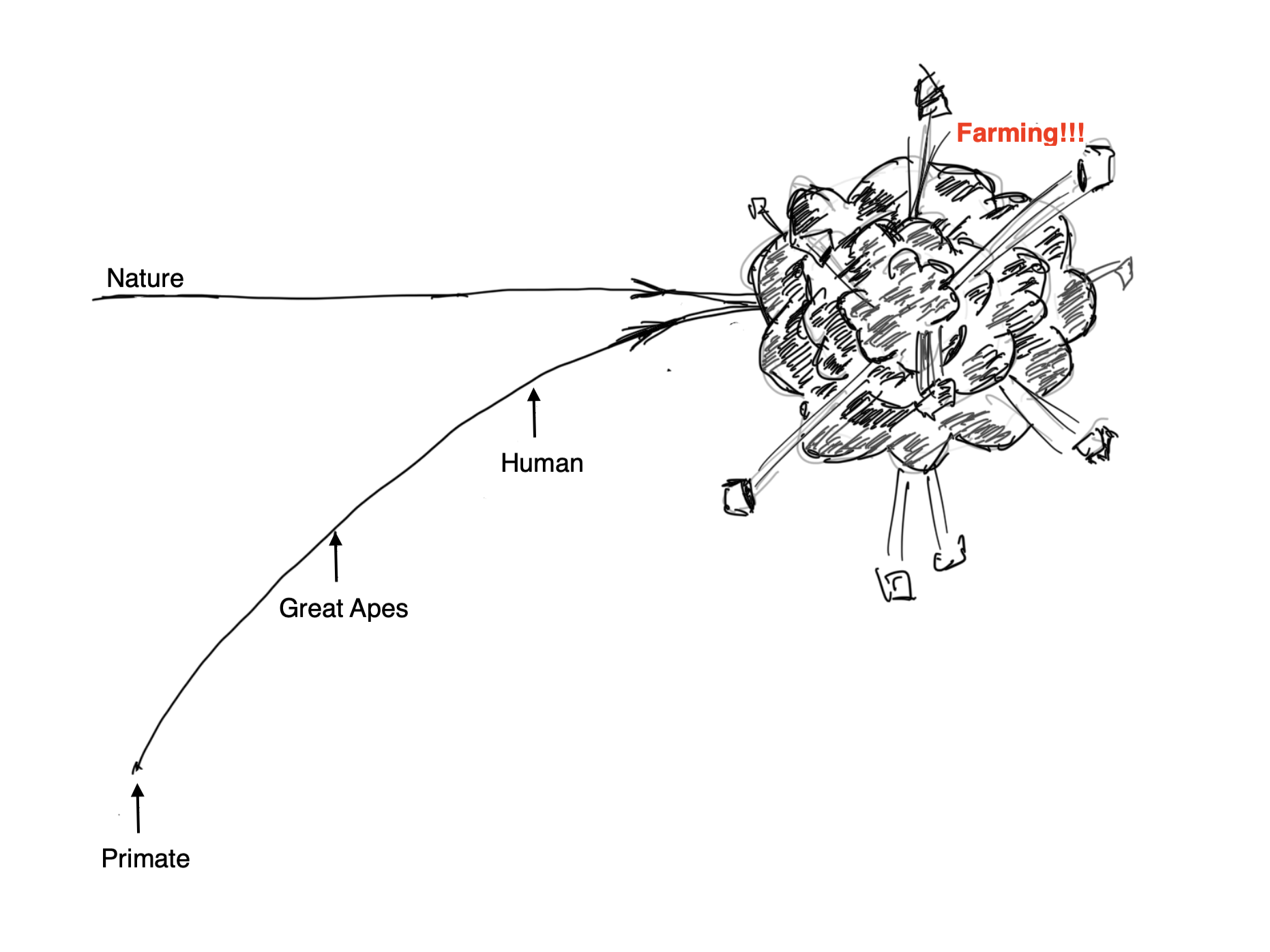
- Human beings were evolving toward perfect harmony with nature, which was undisturbed until we screwed it up with Agriculture.
- Before that point of anthropogenic disruption, our ancestors had the optimal diet.
- After that, the world has changed so much and so fast that our bodies have no chance of keeping up. Humans have become relics of a lost nature, unable to fit in.
Graphically, I think it looks like this:
My main goal here isn’t to pin down what exactly belongs in the Paleo diet or to adjudicate its merits. Instead, I am interested in the answer to this meta question: Is the concept of a Paleolithic diet intellectually valid? Drawing upon insights from science and math, I will examine the trio of assumptions on a journey across space and time. First, let’s define when the Paleolithic Age was.
Defining the Paleolithic Age
The scientific framework used to describe Earth’s history is the International Geological Time Scale. It is defined primarily through the study of rock layers (stratigraphy) and the fossil record. This time scale divides Earth’s past into four Eons, which are further divided into Eras, Periods, Epochs, and Ages, as shown in the International Chronostratigraphic Chart.
If I reproduce the complete chart, you will see that no Age is called the Paleolithic Age. The word Paleolithic is derived from two Greek words meaning “old” and “stone.” The Paleolithic is the Old Stone Age and refers to the time when people were making relatively primitive stone tools. It roughly corresponds to the Pleistocene Epoch. We are currently in the Holocene Epoch.
International Chronostratigraphic Chart (partial):
| Eon | Era | Period | Epoch | Age | BP (Million Years) |
|---|---|---|---|---|---|
| Phanerozoic | Cenozoic | Quaternary | Holocene | 0.01117 | |
| Pleistocene | Upper | 0.126 | |||
| Middle | 0.781 | ||||
| Calabrian | 1.80 | ||||
| Gelasian | 2.58 | ||||
| Neogene | … | 23.03 | |||
| Paleogene | … | 66.0 | |||
| Mesozoic | … | 145 | |||
| … | 541 | ||||
| Precambrian | Proterozoic | … | 2500 | ||
| Archean | … | 4000 | |||
| Hadean | … | 4600 |
Note that the calendar is not marked by BC or BCE, but by BP, meaning “Before Present.” “Present” refers to a specific date: January 1st, 1950. After that time, nuclear weapon testing artificially disrupted the isotopic composition of atmospheric carbon, necessitating recalibrations of carbon dating.
Now that we have a rigorous vocabulary to refer to our past, let’s see how our planet has metamorphosed throughout the ages.
Our Slow-Changing Planet
Earth’s climate is greatly affected by its relative position to the Sun, which is the result of complex gravitational interactions with other celestial bodies. There are many variables, but three cycles dominate:
- Eccentricity. The Earth’s orbit around the Sun is not always a circle. It cycles between nearly circular and mildly elliptical with a period of around 100,000 years.
- Obliquity. The axial tilt of the Earth changes slightly with a period of around 41,000 years.
- Precession. The direction Earth’s axis points to in the sky. It changes with a period of around 25,700 years. Over time, the North Star in the night sky will not be due north.
In words even a congressman can understand, the Earth wobbles.
These cycles are called the Milankovitch cycles. Throughout these cycles, the distance between Earth and the Sun, as well as the angle between Earth’s axis and the incident sunlight, vary. This means that not only does the total energy Earth receives from the Sun change periodically, but the allocation of that energy to different parts of Earth also fluctuates. The geophysicist Milankovitch hypothesized that these cycles combine to cause climate changes on Earth. More sunlight leads to higher temperatures. Uneven sunlight distribution leads to different temperatures in different parts of Earth. Temperature differences lead to stronger winds and ocean currents, which redistribute heat. The effects would be particularly strong at the 65th parallel north due to the large amount of land there. Land masses change temperature more quickly than the ocean for two reasons: One, natural convection occurs in seawater, so warm water and cold water mix quickly, dampening the speed of temperature change. Two, land mass has a lower specific heat capacity, so the same amount of added heat leads to a larger temperature change. We have studied the concepts of convection and heat capacity here.
In addition to interactions with other celestial bodies, Earth itself is constantly changing. The outer crust of Earth is composed of several large tectonic plates, which have been slowly moving for billions of years. Mount Everest was famously formed by the collision of two plates, whereas the East African Rift is the result of plates splitting. The Great Rift Valley is of particular interest to us because many fossils of early humans were discovered there, including the famous Lucy. The Rift consists of a series of continuous geographic trenches that stretch thousands of miles, running north to south, from the Red Sea to Mozambique. The parting of the plates has left many basins up and down the Great Rift Valley. The changing landscape exacerbates the climate cycle at the local level. Fossil records from deposits at different sites in the Great Rift Valley show a consistent pattern of lakes coming and going. The cycles range from tens of thousands of years to hundreds of thousands of years, depending on the size of the lake. Fossil evidence shows that as the lakes dried up, the types and numbers of plants and animals in the area changed.
The problem with relying on fossil evidence alone is that many things are not preserved as fossils. If we draw conclusions from only fossils, it would be like the man who looks for his lost keys only under the lamp post because that’s where the light is. We need corroborating evidence from more prevalent material.
There is nothing more prevalent than soil. The different layers of soil were deposited at different times. The carbon in those layers comes from the organic compounds in the plants that were widespread at the time. Different plants have different metabolic pathways for assimilating carbon during photosynthesis. Trees, shrubs, and cool-season grasses use the C3 carbon fixation process, while the C4 carbon fixation process is more efficient in places with higher temperatures, more light, and less water. All carbon atoms have 6 protons, but some have 6 neutrons (C-12), while others have 7 neutrons (C-13). The C3 process selects against C-13 more than the C4 process, so plants with different approaches to carbon fixation have different carbon isotope ratios. The changes in available plants and animals had implications for early human diets, a topic we will turn to later.
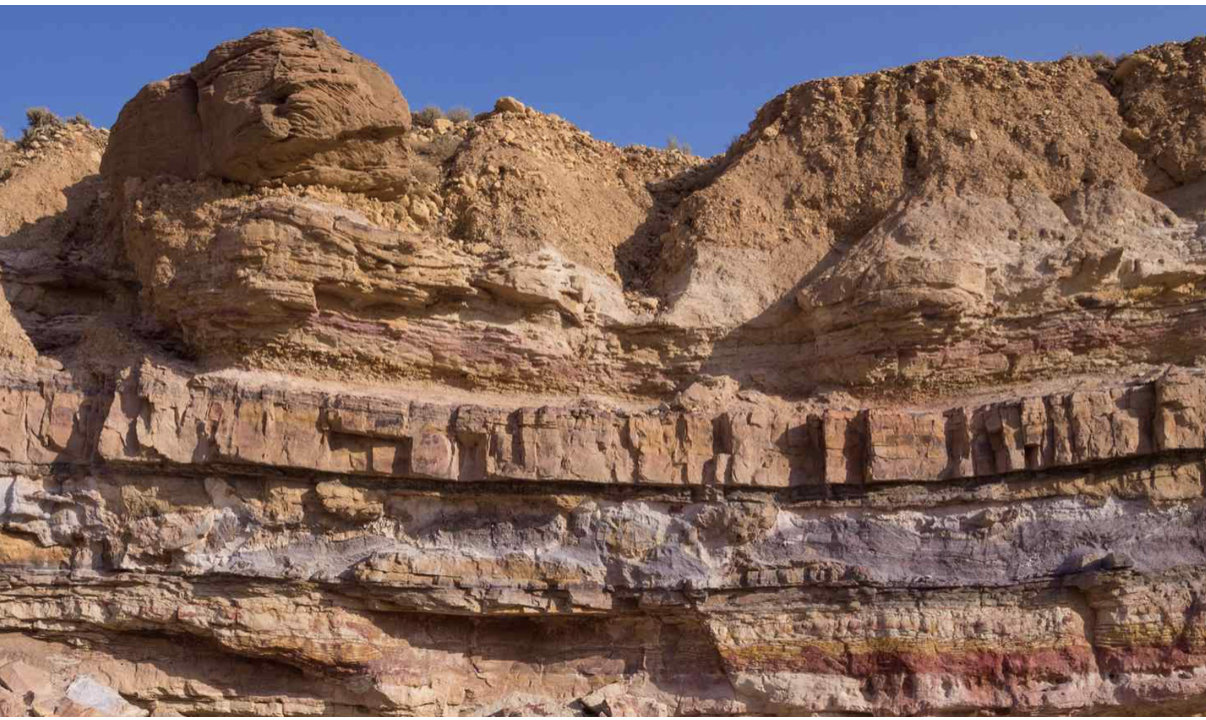
The soil samples from deep underground in Africa show different carbon isotope ratios at different layers, which is strong evidence that the climate, and the plants living in it, have fluctuated over time. For instance, we can tell the Sahara Desert was covered in lush vegetation as recently as 5,000 years ago.
Another isotope gave us more direct evidence of temperature change. Most oxygen atoms have eight protons and eight neutrons (O-16), but some of them have two extra neutrons (O-18). The water molecules with heavier oxygen atoms can’t stay aloft in clouds if it is cold. When global temperatures drop, cold fronts march towards the equator, and more and more heavy vapor falls into the ocean at lower latitudes. This leaves the poles with a higher concentration of O-16. By drilling the ice sheet of Greenland and comparing the ratios of oxygen isotopes, scientists can infer the temperatures of the past.
According to the Greenland ice cores, the end of the Paleolithic coincides with the end of the last ice age, which ended rather abruptly around 11,600 BP. Average annual temperatures increased by around 8 °C over 40 years. Anyone alive at the time would certainly have realized the Earth was warming. It wasn’t a one-off event either. The rapid climate changes happened so often that they even have a name: Dansgaard-Oeschger events. If Homo sapiens had tried to evolve to the environment they knew, they had just had the rug pulled out from under them.
Meanwhile, at lower latitudes, the heavier oxygen atoms that fell into the ocean were absorbed by marine plants and animals. Like the plants with different carbon isotopes, these organisms were buried in the sediments at the bottom of the ocean. Higher temperatures led to more heavy oxygen in the ocean sediments, and more light oxygen in the polar ice. The reverse was true for lower temperatures.
The sediments on the ocean floor not only tell us the temperature but also the amount of rainfall. When there is less rain, more dust is blown into the ocean. Because continental dust is easily magnetized, the intensity and length of dry seasons can be estimated from the magnetic properties and depth of each sediment layer. It’s not just a conjecture. It has been proved by evidence collected by the research vessel JOIDES Resolution (Joint Oceanographic Institutions for Deep Earth Sampling). The ship actually sailed all over the world to drill core samples from deep under the ocean floor, with advanced equipment that is an engineering marvel. The National Science Foundation and a motley crew of international governments have teamed up to bankroll these expeditions. That, depending on your perspective, can either be construed as affirming or challenging the efficacy of government resource allocation.
All evidence—oxygen isotopes in the ice from Greenland, carbon isotopes in the soil from Africa, and magnetized dust from sediments on the ocean floor—points to repeated and dramatic climate changes in Earth’s history.
You Can’t be Picky with What You Eat When You Are Trying to Survive
When our ancestors went out to look for food, they didn’t have ATVs. In the Pleistocene, they didn’t even ride horses. They had to expend their own energy. One cup of spinach contains only 7 calories. I doubt it’s enough to replenish the energy we spend to chew and digest it, not to mention walk a mile to collect it. The return on investment was just too low. Common sense tells us a smart caveman would have passed a spinach field without a second thought. A dumb caveman would not have been our ancestor.
But common sense also tells us that hunting big game had a low chance of success, especially in the Paleolithic, when, by definition, our forebears were armed with rudimentary tools. The odds of a successful hunt were as meager as 3% on any given day, based on data gathered from modern hunter-gatherer societies in Africa.
Contemporary hunter-gatherer societies exhibit a notable breadth in their dietary patterns. The Gwi San people in Botswana obtain 80% of their calories from carbohydrate-rich sugary melons and starchy roots. The Yanomami people in the Amazon rainforest are foraging horticulturalists (they cultivate plants on a small scale), while the Sámi of Scandinavia are pastoralists (they raise livestock on natural pastures). The Hadza people in Tanzania are probably the most studied hunter-gatherers. They have a diversified diet: tubers, berries, meat, baobab, and honey.
However, we should be careful drawing conclusions about our ancestors’ diet from modern hunter-gatherer communities. They may not live like us, but they haven’t stopped evolving and reacting to the changing environment over the last 10,000 years. For the same reason, an American would not use present-day British English as a reference point for pre-Mayflower speech in the UK. Some of these changes are even man-made, as opposed to natural. If Martians landed in North America today, they might conclude that Native Americans evolved to live in remote and extremely harsh environments. The Lacandon people living in the jungles of Mexico are one of the most isolated indigenous groups. They used to be held up as an example of what primitive life would have been like if people didn’t start farming. But we now know they are descendants of Mayan people who ran away from the Spanish colonists.
Some of the best scientific evidence of what humans evolved to eat can be found in our anatomy. You can tell from the shape of teeth what food they are designed to eat. Carnivores have teeth that are sharp and pointed. They have elongated and pointed canine teeth to capture and hold onto prey. They use their teeth like guillotines to cut and tear flesh and bones. Even their molars have short cutting edges. On the other hand, herbivores have molars that are broad and flat, even with grooves like a washboard, so they can easily grind fibrous plant materials. They have prominent incisor teeth that are optimized for biting off plant parts. Herbivores move their teeth laterally, while carnivores move their teeth up and down, which results in different joints and muscles.
Just because teeth are adapted to eat certain foods does not mean that’s what their owners normally eat. The mangabeys, monkeys living in Kibale National Park of Uganda, are a case in point. They normally have no problem finding fleshy fruits and soft young leaves in their habitat. However, in 1997, there was a particularly strong El Niño event. The mangabeys couldn’t find their preferred foods. However, they were able to shift to bark and hard seeds because they have thickly enameled, strong teeth and big, heavy jaws to crush hard, brittle foods. Their anatomy might not help the mangabeys get the most out of their preferred food, but it helps them survive once-in-a-lifetime extreme weather.
Human teeth do not seem to have adapted to any particular kind of food. We have canines too, but they are not sharp enough to tear raw flesh effortlessly. Our incisor teeth are not sharp enough to cut food up (that’s why the pizza cutter wheel was invented). No normal person will try to crack open walnuts with their teeth like squirrels. (If you try, you may find out something you don’t want to know: how much a dental crown costs.) We may be able to chew grass, but our guts cannot handle it. Compared to most primates, our guts are smaller, but our brains are bigger. We see an interesting parallel in animals: folivores (animals who primarily feed on leaves) tend to have smaller brains and larger guts than closely related frugivores (animals who mainly eat fruits). That makes sense: leaves are everywhere. An animal doesn’t have to work very hard to find them. Sweet fruits are harder to find. An animal has to know when and where to get them and know to avoid the poisonous ones. But once they are found, they pack more energy and are easy to digest. It seems we have evolved to eat nothing in particular, as long as it’s easy to chew and easy to digest. How did that happen? There are some clues in the fossil records from two archaeological sites.
At Olorgesailie, a sedimentary basin on the floor of the East African Rift Valley, an interdisciplinary team of scientists drilled a hole as deep as they could into the earth. They removed a 139-meter-long cylinder of earth, which turned out to represent 1 million years of environmental history. Earlier, we talked about ancient lakes coming and going. The contents of the layers of sediment recovered from deep inside the earth proved the environment in this part of Africa flipped back and forth between warm and wet and cool and dry.
Two important findings from those layers of sediment are:
After a long period of stability, the environment became more variable around 400,000 years ago. At the same time, anatomically modern humans began to appear. The animals found in earlier deposits were grass specialists, but species found in later deposits had more flexible diets. It seems evolution favors less picky eaters. We could hypothesize that early humans had to eat what was available to them, and what was available to them changed depending on the local biosphere. How did farming change that? The archaeological evidence of how humans lived right before and after the invention of farming was found in the Fertile Crescent.
The Fertile Crescent is a crescent-shaped region in the Middle East, spanning modern-day Iraq, Syria, Lebanon, Israel, Palestine, and Kuwait. It’s believed to be the first region where farming started. Abu Hureyra is an archaeological site in Syria. People started living there about 13,000 years ago until about 7,000 years ago, coinciding with both the transition from the Paleolithic to the Neolithic, and from the Pleistocene to the Holocene. What is particularly relevant for our discussion is that the occupants of Abu Hureyra started as hunter-gatherers but ended up as some of the earliest farmers. In the beginning, the site was a land of abundance. People hunted and gathered along the Euphrates River and in the surrounding woods. Remnants of many wild animals and plants were found in the earlier sediment deposits. The occupants of the village seemed to live on the perfect Paleolithic diet.
Little did they know they were living in the Bølling–Allerød Interstadial, a brief relief between two ice ages. In about 1,000 years, the last ice age, known as the Younger Dryas, would begin. This is the temperature history recorded in the Greenland ice cap:
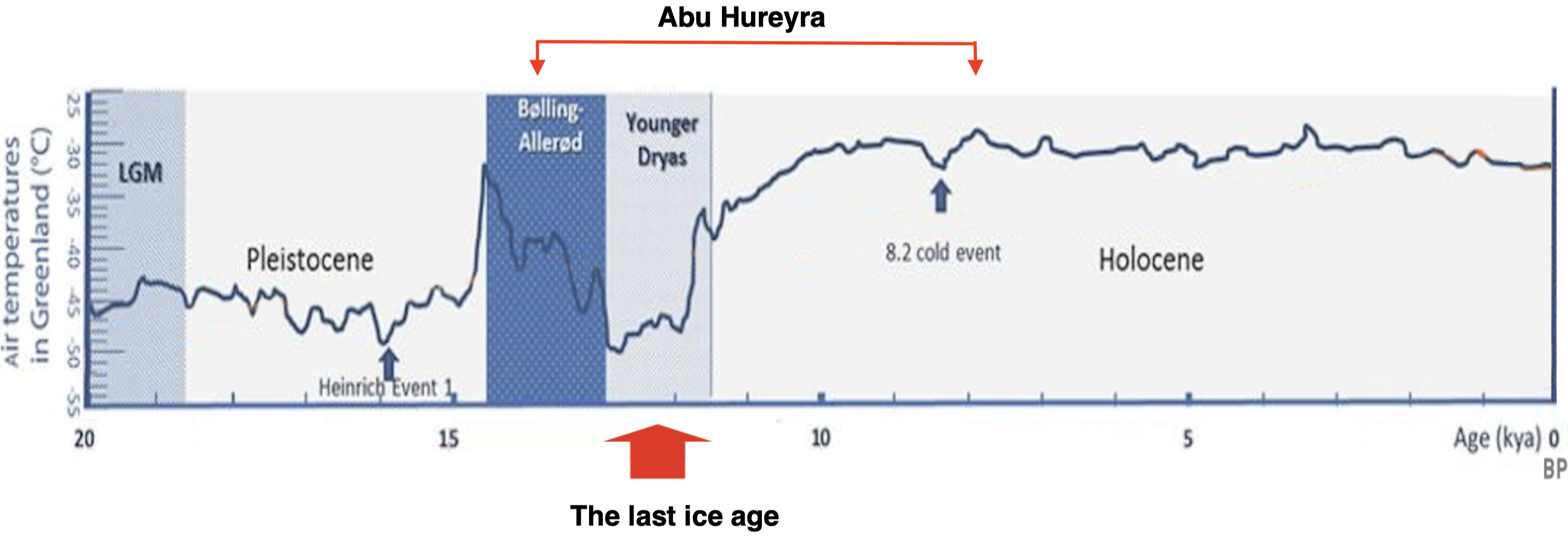
As the weather became colder and drier, wild foods became harder and harder to find. In the meantime, cultivated rye grains, stone tools for grinding the rye, and lentils and domesticated wheat began to show up in archaeological records. Around 10,000 years BP, when temperatures had risen and the environment became hospitable again, the occupants of Abu Hureyra didn’t go back to their hunting-gathering ways. Instead, evidence showed that domestic cereals and legumes gradually replaced wild plant foods over time, and there was less hunting and more herding.
With agriculture, humans were no longer part of nature, but apart from nature. Our ancestors were evolving to eat what they could find in order to survive the fickle environment, but now they began to evolve to eat what they could produce.
When you can make what you eat, you’re going to make what you want to eat. People had been selectively breeding and cross-pollinating plants and animals for thousands of years before modern genetic engineering existed. Industrial agriculture took it to the next level. Today’s fruits and vegetables are sweeter, have higher yields, look better, and are more disease-resistant. A study showed that cultivated apples are 3.6 times bigger, 43 percent less acidic, and 68% lower in phenolic content than their wild progenitors. It’s an insurmountable problem for anyone who tries to practice the paleo diet: they don’t make ’em like that anymore. Heirloom tomatoes are considered to have pure genes, but the seeds only need to be traced back about 100 years for them to be called heirloom.
Our Fast-Changing Genes
There was indeed widespread evidence of malnutrition at the beginning of farming. Paleopathologists found evidence of poor oral health, iron deficiency anemia, and weak bones in the skeletons of early farmers. The farmers from 5,000 years ago were about 6 inches shorter than their pre-agricultural ancestors. The beginning of farming seems to have been a scourge on human health (not to mention the beginning of inequality, as Jean-Jacques Rousseau claimed in Discourse on the Origin and the Foundation of Inequality Among Mankind).
However, that’s only half of the story. The skeletons from 4,000 years ago showed people’s height had returned to their pre-agricultural levels and had far fewer signs of malnutrition. Instead of proving grains are bad food, old bones seem to tell us humans adapt to grain pretty quickly. Nonetheless, just as we didn’t want to rely only on fossil records to prove the climate history of the Earth, we need more evidence than some ancient skeletons. We find that in our genes.
An unexpected advocate for the opinion that we didn’t evolve to eat grains is people who sell starches for a living. The True Neapolitan Pizza Association (Associazione Verace Pizza Napoletana, AVPN) publishes strict rules for making and fermenting dough to be used in authentic Neapolitan pizzas. It says following those processes “will result in less stress on our digestive system because the starches will be broken down into simple sugars. Our bodies are not able to assimilate these long chains.” Actually, our bodies are relatively good at digesting starch. Alpha-amylase is an enzyme that helps the digestion of polysaccharides (starch is a polysaccharide). It’s encoded by the AMY1 gene. Individuals from hunter-gatherer populations with high-starch diets are found to have more AMY1 copies than those with low-starch diets. The idea that diet changes genes is further confirmed by the discovery that humans have more AMY1 genes than chimpanzees, who eat a very low-starch diet.
The LCT gene provides instructions for making the enzyme lactase, which is needed to digest lactose, the sugar in milk. All mammals, by definition, are nursed with milk as babies. All nonhuman mammals, and 65% of people, lose the ability to digest milk sometime after weaning. The other 35% of people have the LCT gene. An interesting hypothesis for the spread of the gene is that soldiers who can drink milk bring with them a walking food source. Those armies have an advantage over their enemies who rely on more sedentary food sources.
That the lactose persistence gene did not spread by chance is further supported by the genetic patterns in the vicinity of the LCT gene. Random chemical changes could happen to a few people’s chromosomes. They had more offspring, and their offspring had more offspring, etc. If that had been the case, the genes near the LCT gene should also have changed randomly. With the advancement of gene sequencing technology in the 21st century, scientists concluded that blocks near the lactase persistence gene show statistically significant similarity. They were dragged along with the LCT gene. This kind of selective sweep is an indication of natural selection at work.
This is a good place to stop and clarify two terms that often get mixed up: evolution and natural selection. Evolution means a change in the frequency of a particular gene or genes in a population. Natural selection is about how some individuals have a better shot at surviving and having offspring because of their genes. Evolution is the result, natural selection is one of the mechanisms to reach the result, but not the only one. For instance, the prevalence of Anglo-Saxon heritage in America and the decline of the native Indian population are not the result of natural selection.
Quantitatively, how fast could a small genetic advantage translate to a large population shift? Anthropologists have calculated that as little as a 3 percent increase in the reproductive fitness of those with lactase persistence would result in the widespread distribution of such a gene after only 300-350 generations. That means Homo sapiens have had enough time to evolve after the Paleolithic ended.
An example of that rapid evolution is the population living on the Tibetan Plateau. There is less oxygen in the air at high altitude. Normally, the body reacts by increasing the number of red blood cells, which transport oxygen to different organs. It doesn’t work in Tibet because the problem is not the transportation of oxygen, but the sourcing of it. The Tibetans exhibit unique genetic adaptations to living at high altitude. They don’t have elevated red blood cell counts, so they don’t suffer from various health issues known as altitude sickness due to the high concentration of hemoglobin, the protein that binds to oxygen inside the red blood cells. Instead, they breathe at a higher rate at rest. This discovery was reported in The New York Times under the headline “Scientists Cite Fastest Case of Human Evolution.”
Genetic Shifts are Faster and More Effective in Larger Populations
Time is not the only factor that determines the speed and quality of genetic shifts in a population. When flies are subjected to low doses of pesticide in the lab, small populations tend to acquire very complicated patterns of resistance, often with serious side effects. It’s an imperfect adaptation. But if pesticides are sprayed over a large area, sometimes flies appear very quickly with a single mutation that confers complete resistance. The important thing to realize is this: the best mutation is incredibly rare. It might never happen in a small population.
The hypothesis that there has been too little time for the human race to evolve since the beginning of agriculture misses the population dimension. Instead of just counting years, we should calculate how many man-years the human race has had for evolving during the Paleolithic. But first, we should define what we mean by the “human race.”
Homo sapiens is the scientific name for the modern human race. Biological taxonomy classifies living organisms in a hierarchical manner. Species is the smallest and most fundamental unit of taxonomy. A species is a group of organisms that can interbreed and produce fertile offspring under natural conditions. Species are grouped into genera (singular: genus). Genera are further grouped into families, and so on and so forth. Humans belong to the sapiens species in the Homo genus. Here is a partial view of the taxonomy tree.
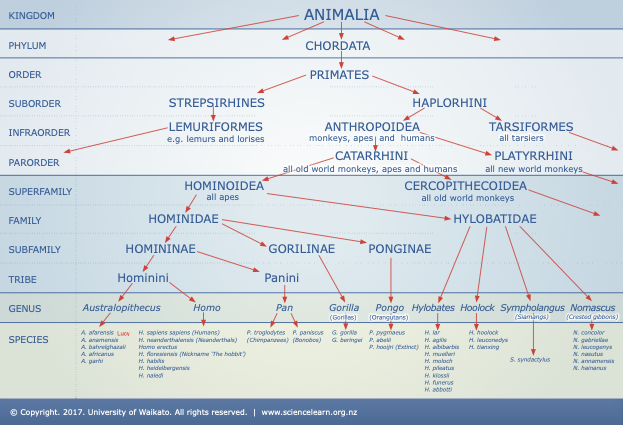
Below is the timeline:
- 300,000 BP: Anatomically modern humans emerged in Africa.
- 100,000 BP: Homo sapiens appeared.
- 60,000 BP: They moved out of Africa.
- 50,000 BP: All other Homo species became extinct, including the Neanderthals.
If we don’t want to take into account evolutionary dead ends, we should start the clock at 50,000 BP. But let’s be generous and start at 300,000 BP. The highest estimate I could find of the population of Homo species around 300,000 years ago was 300,000. At the end of the Paleolithic, 10,000 years ago, the estimated human population reached 1 million. Assuming a linear increase in population (I could assume exponential increase, but the math would not work out in our Paleolithic ancestors’ favor. It has to do with the integral of the exponential function), there were around 180 billion man-years over that period. In 1970, the population was 3.7 billion. There are roughly 8 billion people on Earth now. We actually do know the population has been increasing linearly since the end of WWII. That comes out to about 310 billion man-years between 1970 and now. In other words, the probability of genetic mutation is almost twice as high since the Unix epoch as in all of the Paleolithic. Anthropologist John Hawks and his colleagues calculated that in the last 50,000 years, nearly 3,000 new adaptive mutations arose in Europe alone. It’s been suggested that the explosion in population has led to a 100-fold acceleration in our evolution. Not to mention these may be high-quality mutations because they happened in a larger population.
In comparison, our ancestors were evolving more slowly because 1) there were fewer of them, and 2) they were exposed to slower environmental changes of fewer varieties. Since the Paleolithic ended, the environment has been subject to more frequent, capable, and audacious human meddling. Coupled with the exploding population, our genes may well have been changing at an unprecedented speed.
Evolution’s End
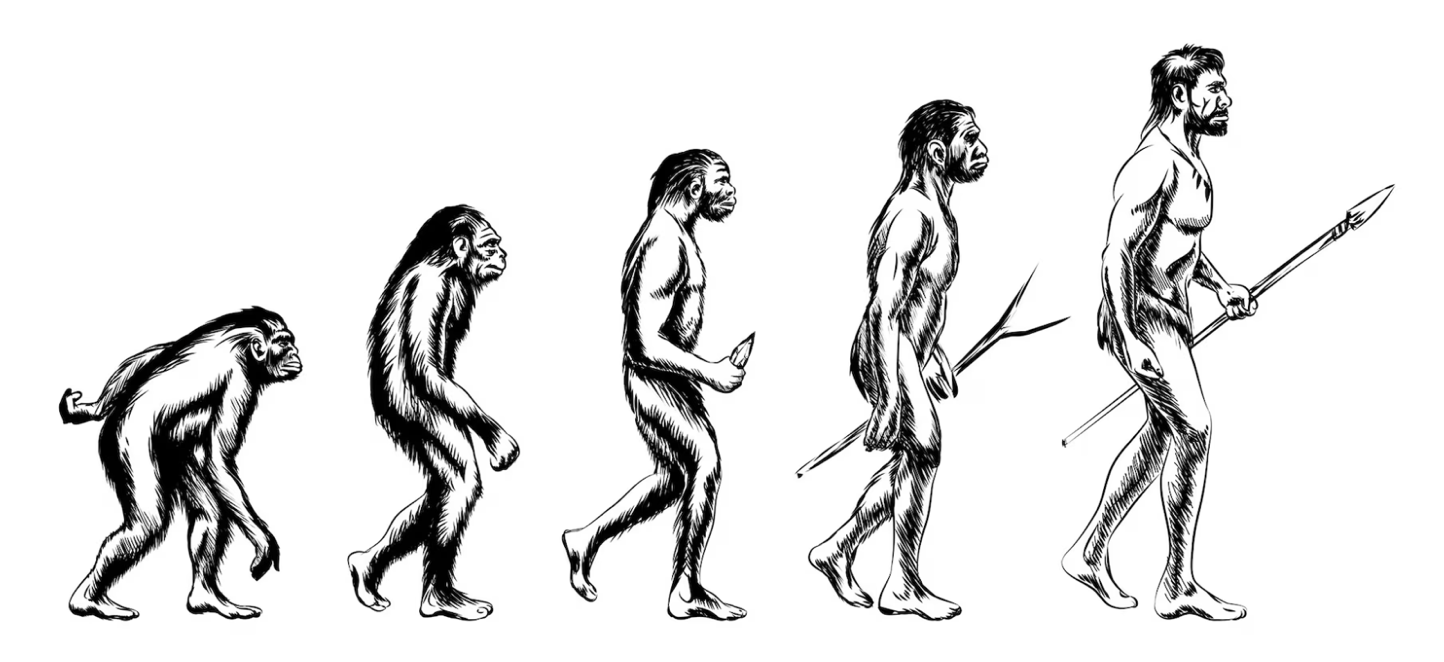
Still, some might argue that maybe the environment wasn’t always stable. The food has changed. Our genes are changing. But the Paleolithic was relatively the longest stable period for humans to adapt to. Nothing is perfect. Maybe the Paleo diet is as good as it gets. The problem with that thinking is this: Evolution does not progress linearly toward a destination, nor does nature select a species where each individual is healthy and long-lived. To win in the race of natural selection, you need to produce a lot of descendants who can live just long enough to make their own descendants. Every member of that species is just a breeding unit. “Live long and prosper” has nothing to do with it.
That’s one explanation for why we have not evolved to be immortal. Evolution favors fertility over longevity. Genes that help individuals reach childbearing age and have more descendants win the evolutionary race, even at the expense of negative consequences in old age. There is some evidence that one variant of a particular gene involved in Alzheimer’s disease provides reproductive advantages to young people. Interestingly, people who live beyond 100 years old don’t die for the same reasons as people who merely live to 80. It’s as if their genes have special protection against normal aging effects. One might argue that these are the people who really need to spread their genes around.
In Tempo and Mode in Evolution, published in 1944, the influential biologist George Simpson wrote: “The paleontologist … is like a man who undertakes to study the principles of the internal combustion engine by standing on a street corner and watching the motor cars whiz by.” Our body is like a car handed down to us. If you want it to run smoother, don’t fuss over what the last owner did. Instead, focus on learning the chemistry of fuel and what goes on inside an engine.
Comments
No comments yet. Be the first to share your thoughts!